
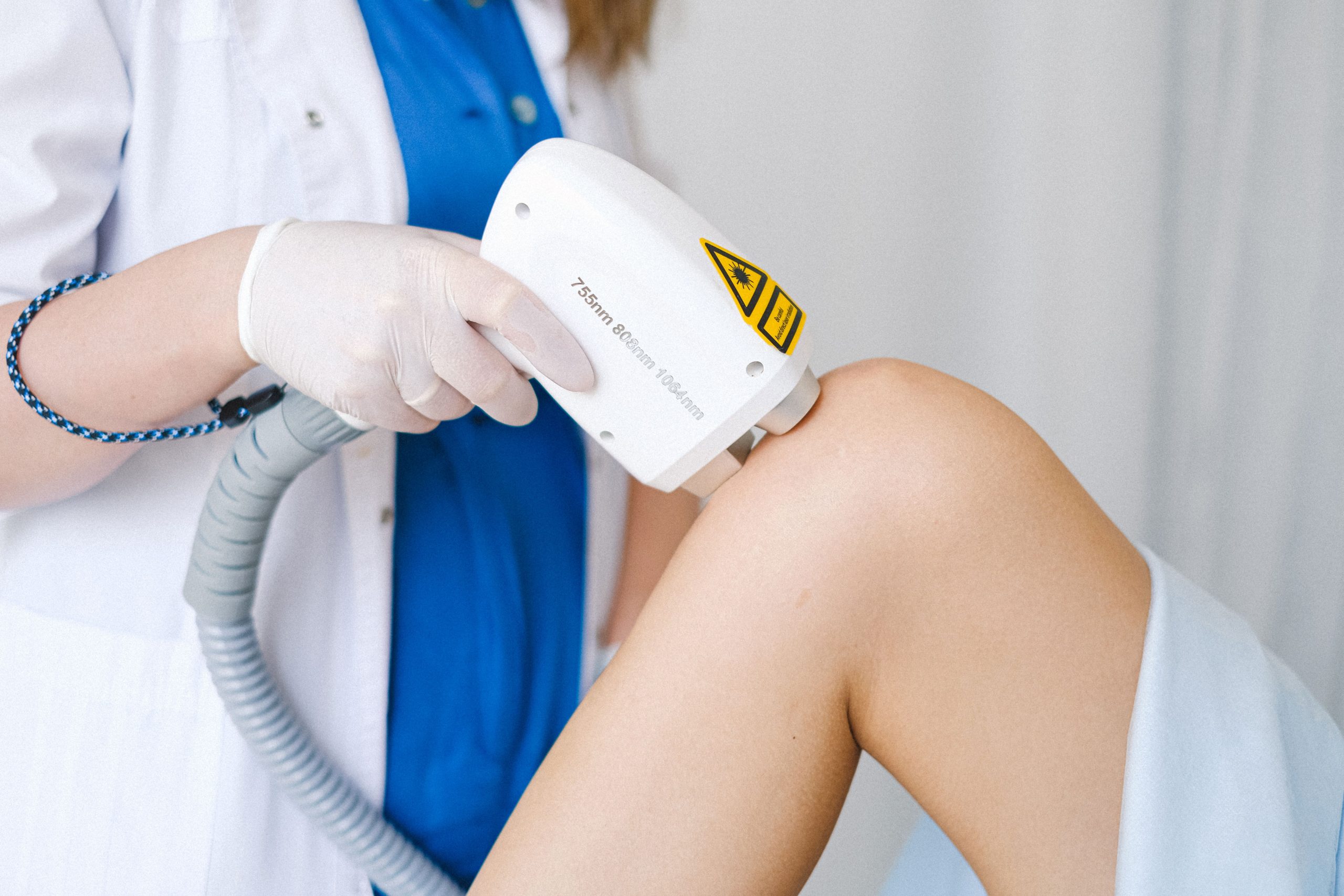
Laser hair removal is often described as a long-term solution for unwanted hair, but the results do not happen overnight. Most people notice changes gradually as they complete a series of treatments. Hair may become finer, grow more slowly, and appear less dense over time.
Understanding what happens after each session can help you set realistic expectations, follow the right aftercare routine, and understand why multiple treatments are usually recommended.
How Does Laser Hair Removal Work?
Laser hair removal uses concentrated light energy to target melanin, the pigment found in hair. The energy travels through the hair and is absorbed by the follicle, creating heat that can interfere with its ability to produce new hair.
Hair follicles are not all active at the same time. Because laser energy is most effective when the hair is in the active growth phase, several treatment sessions are generally needed to target different follicles as they enter this stage.
The number of sessions varies depending on factors such as hair color, hair thickness, skin tone, treatment area, hormonal influences, and individual hair-growth patterns.
What Happens After Your First Treatment?
After the first laser hair removal session, you may not immediately see a dramatic reduction in hair. Some treated hairs can remain visible for several days or weeks before they naturally shed.
During this period, the skin may appear slightly red or feel warm or sensitive. These temporary effects typically settle relatively quickly, although your provider will give you specific aftercare instructions based on your treatment.
One of the first noticeable changes may be that some hairs take longer to grow back. You may also notice uneven hair growth because follicles are naturally at different stages of their growth cycle.
It is important not to judge the final outcome based only on the first session. Laser hair removal is a progressive treatment, and visible improvement generally becomes clearer as treatments continue.
After the Second and Third Treatments: Slower and Finer Hair Growth
As you continue with your treatment plan, changes in hair growth can become easier to notice.
After the second or third session, some people may experience:
- Slower hair regrowth
- Fewer visible hairs in the treated area
- Finer or softer hair
- Reduced hair density
- Longer periods between shaving
- Less noticeable stubble
The improvement may not be uniform across the entire treatment area. Some sections may respond faster than others because individual follicles can be at different stages of growth.
This is one reason maintaining your recommended treatment schedule is important. Skipping sessions or spacing them too far apart may make it harder to consistently target follicles during their most responsive growth phase.
What Changes After Several Laser Hair Removal Sessions?
With continued treatments, the overall amount of visible hair may gradually decrease. Hair that does return may become finer and lighter, depending on how the individual follicles respond.
At this stage, many people find that they spend less time shaving, waxing, or using other temporary hair-removal methods.
However, laser treatment should not necessarily be viewed as a guarantee that every hair will disappear permanently. The goal is typically significant and long-lasting hair reduction. Some follicles may remain capable of producing hair, particularly when hormonal factors influence growth.
Your provider can assess your progress and determine whether additional sessions or occasional maintenance treatments may be appropriate.
Why Doesn’t All Hair Disappear at the Same Time?
The hair-growth cycle is one of the biggest reasons laser treatments require multiple sessions.
At any given time, different follicles can be in different phases of growth. Laser energy is most effective when the targeted hair is connected to a follicle in its active growth phase.
Other follicles may be resting or transitioning between phases and may not respond to the same treatment in the same way.
This means that treating an area once cannot effectively target every follicle at the same time. Repeated treatments are designed to address additional follicles as they enter a more responsive stage of growth.
Factors That Can Affect Your Results
Results can vary significantly from one person to another. Several factors influence how quickly you may notice improvement.
Hair Color and Thickness
Darker, coarser hair generally contains more melanin, which can make it more responsive to laser energy. Very light, gray, white, or red hair may respond differently because it contains less of the pigment targeted by many laser systems.
Skin Tone
Modern laser technologies can be used across a range of skin tones when the appropriate device and settings are selected. Your provider should evaluate your skin and hair characteristics before treatment and choose an approach designed for your specific needs.
Treatment Area
Different parts of the body can respond at different rates. Facial hair, for example, can behave differently from hair on the legs, underarms, or bikini area.
Hormonal Factors
Hormonal changes can influence hair growth. Conditions or life stages associated with hormonal fluctuations may contribute to continued or new hair growth, which can affect the number of treatments or maintenance sessions needed.
Following Your Treatment Schedule
Consistency matters. Your provider may recommend appointments at specific intervals based on the treatment area and expected hair-growth cycle. Following that schedule gives the treatment a better opportunity to target follicles at the appropriate stage.
What Should You Do Between Treatments?
Proper care between sessions can support your treatment plan.
Shaving is generally preferred over waxing or plucking between laser sessions because waxing and plucking remove the hair from the follicle, which is the structure being targeted by laser treatment.
You should also follow the specific skin-care and sun-exposure recommendations provided by your treatment professional. Protecting treated skin from excessive sun exposure is particularly important, and your provider may recommend appropriate sunscreen use.
Avoid applying products or performing procedures that could irritate recently treated skin unless your provider specifically recommends them.
When Should You Expect to See the Best Results?
There is no single number of sessions that guarantees the same outcome for everyone. Many people require a series of treatments, with improvement becoming more noticeable as the treatment plan progresses.
The best indicator of progress is not simply how much hair you see immediately after a session. Look for changes such as slower growth, reduced density, finer hair, and longer periods between shaving.
Taking photos at consistent intervals can also make gradual changes easier to recognize, particularly when improvement happens slowly.
Is Laser Hair Removal Right for You?
A consultation is an important first step before beginning treatment. A qualified professional can evaluate your skin tone, hair characteristics, treatment area, previous hair-removal methods, and individual goals.
The consultation is also an opportunity to discuss realistic expectations, potential side effects, recommended treatment intervals, and the type of laser technology appropriate for your skin and hair.
If your primary concern is unwanted facial or body hair, laser hair removal may offer a convenient approach to achieving long-term hair reduction without relying as frequently on shaving or waxing.