
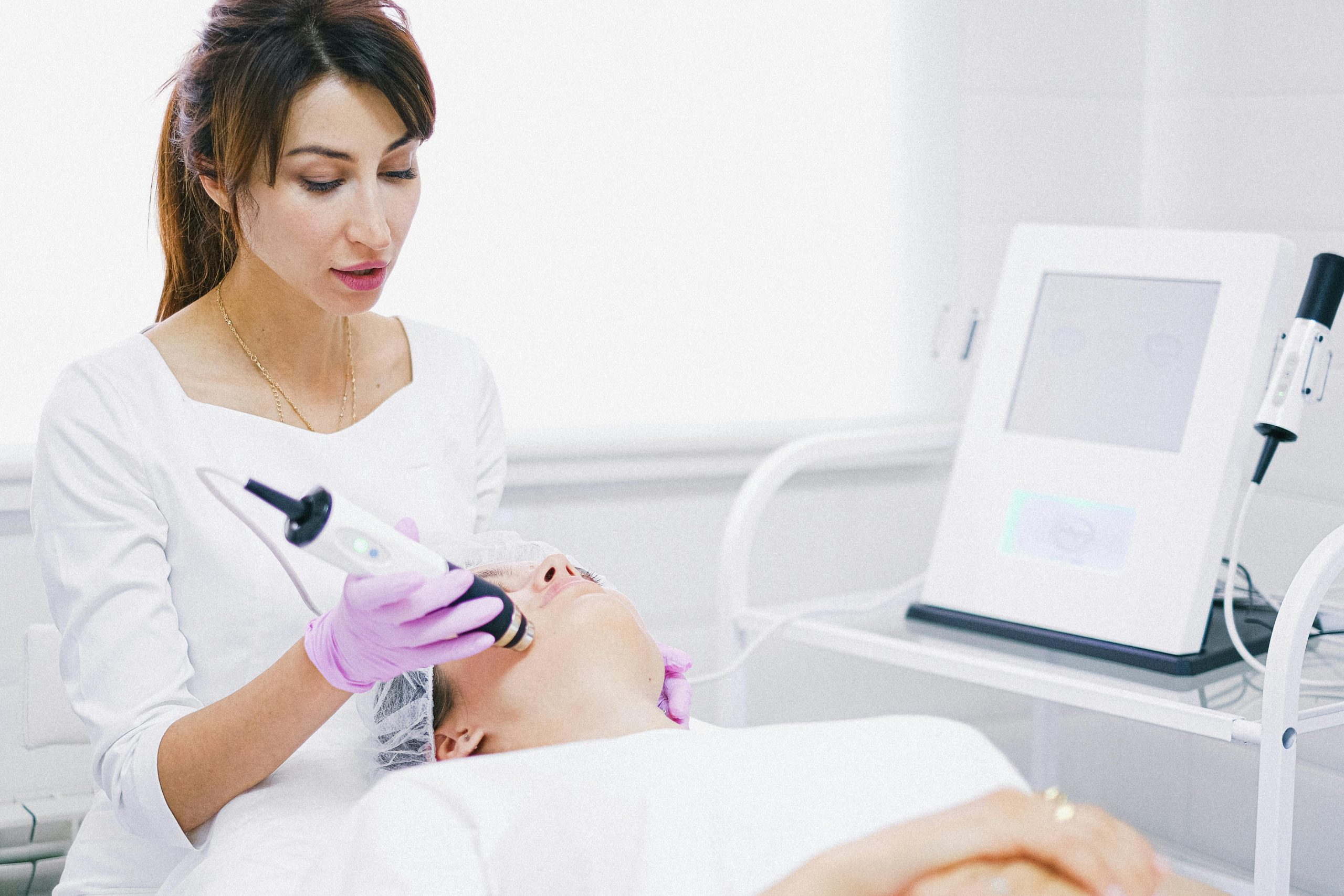
An oxygen facial can leave your skin looking refreshed, hydrated, and radiant immediately after treatment. However, what you do during the hours and days afterward can influence how comfortable your skin feels and how well you maintain the results.
Although oxygen facials are generally considered a gentle skin treatment, your skin may be more sensitive immediately afterward. Avoiding certain products, activities, and treatments gives your skin time to settle and helps reduce the risk of unnecessary irritation.
Whether you have an oxygen facial before a special event or include it regularly in your skincare routine, understanding proper aftercare is an important part of the process.
What Is an Oxygen Facial?
An oxygen facial is a non-invasive facial treatment designed to refresh and hydrate the skin. Depending on the treatment protocol, it may involve cleansing, exfoliation, the application of skincare ingredients, and oxygen-based technology or infusion techniques.
The specific steps can vary between providers and treatment systems. The goal is generally to improve the appearance of dull, tired, or dehydrated-looking skin while providing a fresh, smoother appearance.
Because the treatment can involve exfoliation and active skincare ingredients, your skin may be temporarily more sensitive afterward. This is why a simple and gentle aftercare routine is recommended.
What Should You Avoid Immediately After an Oxygen Facial?
For the first several hours after treatment, it is best to keep your skincare routine simple. Your provider may give you specific instructions based on the products and techniques used during your treatment.
Here are some common things to avoid.
1. Avoid Touching Your Face Too Much
Your hands come into contact with numerous surfaces throughout the day. Frequently touching, rubbing, or scratching your face after a facial can transfer dirt and bacteria to the skin and may cause unnecessary irritation.
Try to leave your skin alone as much as possible immediately after treatment.
If you need to touch your face, make sure your hands are clean.
2. Avoid Harsh Skincare Products
Immediately after treatment is not the ideal time to introduce strong or potentially irritating skincare products.
For a short period, you may want to avoid products containing ingredients such as strong exfoliating acids, retinoids, or other active ingredients unless your skincare professional specifically recommends them.
A gentle cleanser and moisturizer may be more appropriate while your skin settles.
If you regularly use prescription or professional-strength skincare, ask your provider when you should resume it.
3. Don’t Exfoliate Your Skin
Your skin may already have undergone cleansing and exfoliation as part of the facial.
Adding another exfoliating product afterward can create unnecessary irritation. Avoid physical scrubs, exfoliating brushes, and strong chemical exfoliants until your provider advises that it is safe to resume them.
Remember that more exfoliation does not necessarily mean better skin. Over-exfoliation can compromise the skin barrier and leave your skin feeling dry, tight, or irritated.
4. Avoid Excessive Heat
High temperatures can increase flushing and discomfort, particularly when the skin is temporarily sensitive.
For the first day or according to your provider’s instructions, consider avoiding activities that expose your face to significant heat, such as:
- Saunas
- Steam rooms
- Very hot showers
- Hot tubs
- Intense heat exposure
A comfortable, lukewarm shower is generally a better option immediately after treatment.
5. Be Careful With Intense Exercise
Exercise itself is beneficial for overall health, but intense workouts can cause sweating and increased facial heat.
If your skin feels sensitive after treatment, heavy sweating may contribute to temporary irritation. Your provider may recommend waiting for a certain period before returning to strenuous exercise.
A light activity may be more comfortable immediately after treatment, depending on how your skin feels.
6. Limit Direct Sun Exposure
Sun protection is an important part of skincare after almost any professional facial treatment.
Try to minimize unnecessary direct sun exposure after your oxygen facial, particularly if your treatment included exfoliation. Use a broad-spectrum sunscreen as recommended by your skincare professional and consider wearing a hat or seeking shade when spending time outdoors.
Sun protection can also help maintain a more even-looking complexion over time.
7. Don’t Pick or Rub Your Skin
Even if your skin feels slightly different after treatment, avoid picking, rubbing, or trying to remove any flakes or imperfections.
Aggressive rubbing can increase irritation and may interfere with the skin’s natural recovery process.
Allow your skin to settle naturally and contact your provider if you experience an unexpected reaction or persistent discomfort.
Can You Wear Makeup After an Oxygen Facial?
Whether you can apply makeup immediately after an oxygen facial depends on the specific treatment protocol and your provider’s recommendations.
Some oxygen facial treatments involve minimal irritation, while others may include exfoliation or active ingredients that make immediate makeup application less desirable.
If your provider recommends waiting before applying makeup, follow that guidance. When makeup is appropriate, use clean brushes, sponges, and products to reduce the chance of introducing unwanted bacteria to freshly treated skin.
Avoid heavy or irritating products if your skin feels sensitive.
Can You Wash Your Face After an Oxygen Facial?
Your provider may recommend waiting for a certain period before cleansing your face, depending on the products applied during your treatment.
When you do cleanse your skin, use a gentle cleanser and lukewarm water. Avoid scrubbing or using rough washcloths.
The objective is to clean your skin without stripping away moisture or creating additional irritation.
If your treatment provider has given you different instructions, follow those instructions because they are specific to the products and procedures used during your appointment.
What Skincare Should You Use After Treatment?
Post-treatment skincare should generally focus on keeping the skin comfortable and hydrated.
A simple routine may include:
Gentle cleanser: Choose a mild cleanser that does not leave your skin feeling tight or dry.
Moisturizer: A suitable moisturizer can help support the skin’s moisture barrier.
Sunscreen: Daily broad-spectrum sun protection is particularly important when your skin may be more sensitive.
Avoid changing multiple products at once. Introducing several new skincare products immediately after a professional facial makes it difficult to determine what is causing irritation if your skin reacts.
How Long Should You Follow Oxygen Facial Aftercare?
The exact aftercare period depends on the treatment performed and your individual skin.
For a gentle oxygen facial, many people can return to their normal routine relatively quickly. However, your provider may recommend avoiding specific products or activities for 24 hours or longer.
If your treatment included additional exfoliation, active ingredients, or another professional procedure, the recommended recovery period may be different.
Always follow the personalized instructions provided after your appointment.
When Can You Schedule Your Next Facial?
An oxygen facial can be incorporated into a regular skincare routine, but the ideal frequency depends on your skin type, goals, and the specific treatment protocol.
Some people may benefit from occasional treatments to refresh the appearance of their skin, while others may have different professional skincare needs.
Instead of scheduling treatments as frequently as possible, discuss your goals with a qualified skincare professional. They can help determine a schedule that complements your everyday skincare routine.
What Results Can You Expect After an Oxygen Facial?
Many people notice that their skin looks fresher, smoother, and more radiant after treatment. Hydration can also make the skin appear plumper and more refreshed.
However, results vary depending on your skin condition, treatment method, skincare routine, and individual response.
An oxygen facial should not be considered a replacement for consistent daily skincare. Cleansing, moisturizing, sun protection, adequate hydration, and other healthy skincare habits remain important for maintaining your complexion.
When Should You Contact Your Skincare Professional?
Mild temporary sensitivity may occur depending on the treatment, but unusual or persistent symptoms should not be ignored.
Contact your treatment provider if you experience significant swelling, severe discomfort, blistering, or a reaction that does not improve as expected.
Your provider can determine whether the reaction is part of the normal post-treatment response or requires additional attention.